
A guide for parents
Understanding anaesthesia
Before, during and after
Follow your own hospital team’s instructions about medicines and eating or drinking; these can be different for each child.
- Before
- Tell the anaesthetist about your child’s health, medicines and previous anaesthetics. Follow the hospital’s eating and drinking instructions.
- During
- The anaesthetic team monitors your child throughout.
- After
- Staff watch your child during recovery. Tell them about any pain or sickness.
01
What general anaesthesia means
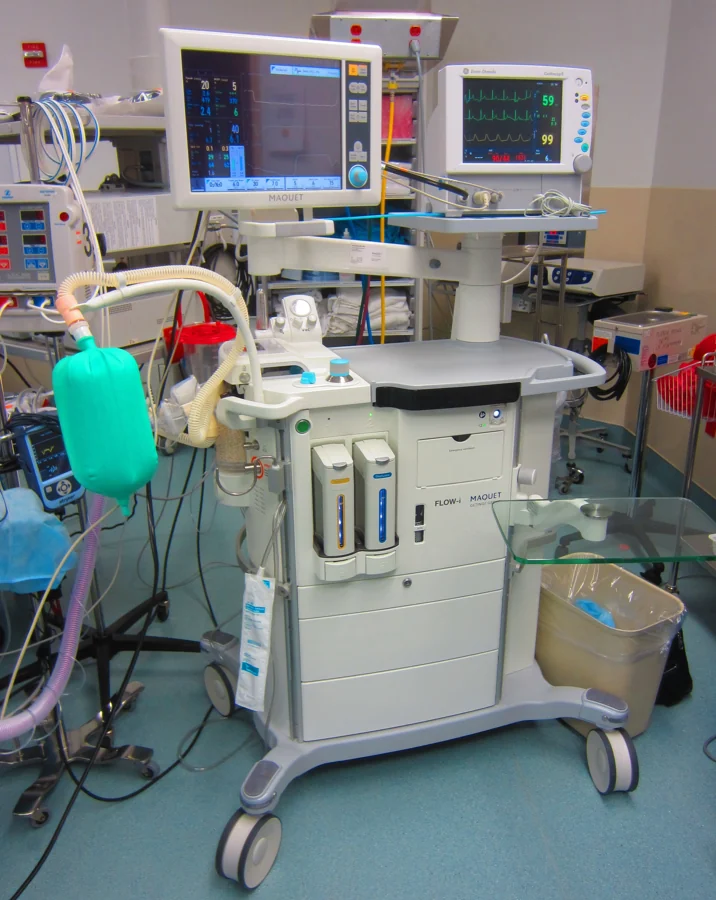
A general anaesthetic makes a person unconscious for a procedure. An anaesthetist is a doctor who looks after children during an anaesthetic. They choose the medicines and checks to suit your child’s heart, general health and procedure. Some tests use sedation instead. This is medicine that helps a child relax or become sleepy.
Ask which is planned rather than assuming that every scan or catheter procedure involves the same approach.
02
What happens next
Information the team needs
Tell the team about medicines, allergies, recent illness, previous anaesthetic difficulties and loose teeth or dental work. Follow the hospital’s exact instructions about eating, drinking and medicines. If instructions are unclear or have not been followed, tell staff; do not hide it or try to work out a replacement schedule yourself.
The anaesthetic may start through a cannula, a small tube in a vein, or through a mask. The team chooses what is suitable for your child.
Supporting your child
Ask what choices your child can make and what is fixed for medical reasons. Play specialists use play to help children understand hospital care. They can explain unfamiliar equipment and help your child practise parts of the visit. Tell the team if masks, needles or separation are particularly difficult.
Ask whether you can be present as your child falls asleep, where you will wait and how you will be updated. The team should explain the important risks for your child and the recovery plan. It is fine to return to a question that you did not take in during the first conversation.
03
Questions to ask
Save the questions you want to take to your next appointment. You can edit them in your Journal.
- Who will plan our child’s anaesthetic, and how will their heart condition be taken into account?
- Could you give us the exact preparation instructions, including eating, drinking and medicines before the procedure?
- How will you manage pain or sickness afterwards, and how can we help our child feel comfortable?
Sources and review
Sources checked 9 October 2026. Independent clinical review pending.
- Great Ormond Street Hospital: Anaesthesia for heart surgery: parents and carers
Accessed 9 October 2026
- Great Ormond Street Hospital: Anaesthesia for cardiac catheterisation: young people
Accessed 9 October 2026