
A guide for parents
Cardiac catheterisation
Before, during and after
Follow your own hospital team’s instructions about medicines and eating or drinking; these can be different for each child.
- Before
- The team explains the procedure, anaesthetic and preparation.
- During
- A thin tube is guided through a blood vessel to the heart for tests or treatment.
- After
- Staff monitor recovery. Ask about the puncture site, activity and whom to contact.
01
A test, a treatment, or both
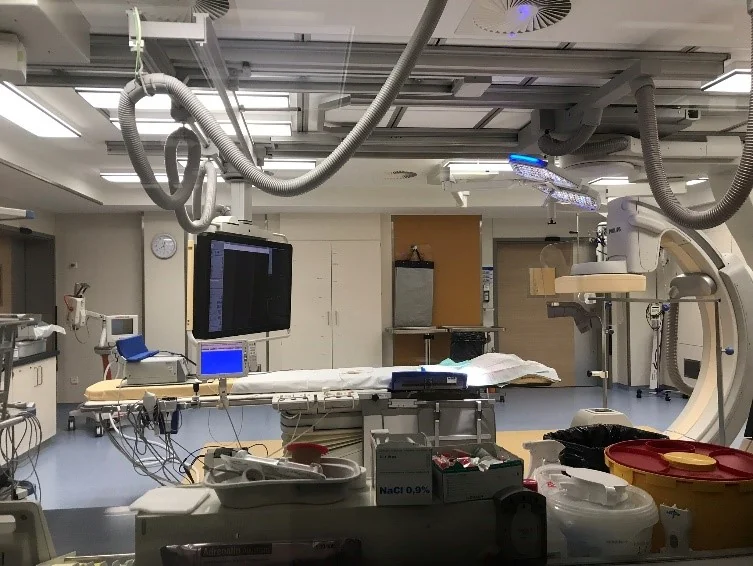
In cardiac catheterisation, a specialist guides thin tubes through blood vessels to the heart. The tubes can measure blood pressure inside the heart and take samples. Staff may give contrast, a substance that makes blood flow easier to see on the pictures. A catheter procedure can also treat some problems.
It may use a balloon, a closure device or a stent, a small support that holds a blood vessel open. Ask whether the plan is to gather information, give treatment or both. It is not the same as open-heart surgery.
02
What happens next
Preparation and recovery
Children often have a general anaesthetic, medicines that keep them unconscious for the procedure. The approach depends on the child and what is being done. The team should explain the intended benefit, alternatives and important risks, such as bleeding, blocked blood flow or reactions to contrast. Afterwards, staff monitor recovery and the place where the catheter entered.
Instructions about moving, looking after the wound and going home depend on what was done.
Understanding the consent conversation
Ask the specialist to describe the plan in ordinary words, including what might make them change course during the procedure. Bring your questions about anaesthesia separately from questions about the heart treatment. Tell staff about your child’s previous difficult experiences so preparation can be adapted.
Before going home, ask for clear advice on what to watch for, who to call and when normal activities can resume. Keep the procedure report or summary for future care and confirm whether any new medicine or follow-up appointment is needed.
03
Questions to ask
Save the questions you want to take to your next appointment. You can edit them in your Journal.
- What will you measure or treat during the procedure, and how will you explain the findings afterwards?
- What are the alternatives and main risks for our child, and why do you recommend this approach?
- What should we watch for after going home, and who should we contact if something concerns us?
Sources and review
Sources checked 9 October 2026. Independent clinical review pending.
- Great Ormond Street Hospital: Cardiac catheterisation
Accessed 9 October 2026
- Great Ormond Street Hospital: Anaesthesia for cardiac catheterisation: young people
Accessed 9 October 2026