
A guide for parents
Having a cardiac CT scan
Before, during and after
Follow your own hospital team’s instructions about medicines and eating or drinking; these can be different for each child.
- Before
- Follow the hospital’s preparation instructions and tell the team about allergies or previous reactions.
- During
- Your child lies still while the scanner takes images using X-rays. Some children need contrast or an anaesthetic.
- After
- Ask when to expect the results and follow any recovery instructions.
01
What CT adds
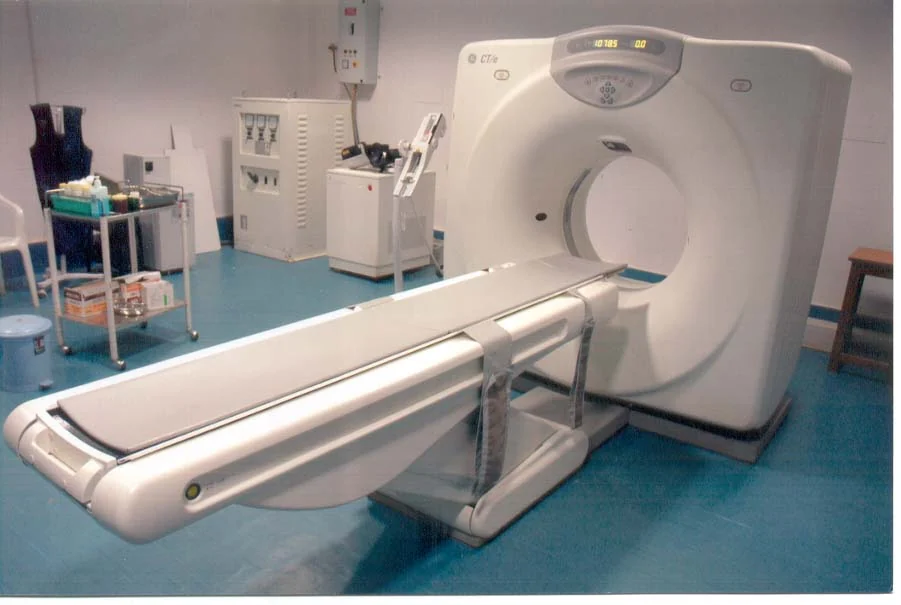
Computed tomography, or CT, takes X-ray images from different angles and builds detailed views inside the body. Cardiac means relating to the heart. A cardiac CT shows the heart and its blood vessels when the team needs more information. CT uses X-rays, a type of radiation. MRI uses a magnetic field instead. Ask why the expected benefit makes CT appropriate for your child.
02
What happens next
What may happen
CT is often quick, but your child still needs to keep still. Some children need a general anaesthetic to keep them unconscious during the scan. Staff may put a small tube, called a cannula, in a vein. They can use this to give contrast, which makes the pictures clearer. Sticky pads that record the heart’s signals may help time the pictures to the heartbeat.
The department will decide how to obtain useful images and explain preparation, safety checks and recovery. Tell staff about allergies, previous contrast reactions and your child’s health history.
Before and after the visit
Use the hospital’s instructions for the particular scan rather than assuming that all CT appointments are the same. Ask what you can do to help your child understand the room and equipment. Let staff know if lying flat or staying still is difficult. If an anaesthetic is planned, clarify transport home and who must stay with your child afterwards.
Keep a note of the reason for the scan and ask when its result will be discussed. The specialist needs to explain what the pictures mean for your child’s treatment.
03
Questions to ask
Save the questions you want to take to your next appointment. You can edit them in your Journal.
- What information will the CT scan add, and how could the result change our child’s care plan?
- Will our child need contrast or anaesthesia, and what preparation and recovery should we expect?
- How do you weigh the radiation exposure against the benefit of this scan for our child?
Sources and review
Sources checked 9 October 2026. Independent clinical review pending.
- Alder Hey Children’s Hospital: Cardiac MRI and CT scan under general anaesthetic
Accessed 9 October 2026