
A guide for parents
Having a cardiac MRI
Before, during and after
Follow your own hospital team’s instructions about medicines and eating or drinking; these can be different for each child.
- Before
- Tell the team about implants or metal and follow their screening instructions.
- During
- The scanner is noisy and your child needs to lie still. Some children have sedation or an anaesthetic.
- After
- Ask when to expect the results and follow any recovery instructions.
01
Why MRI is used
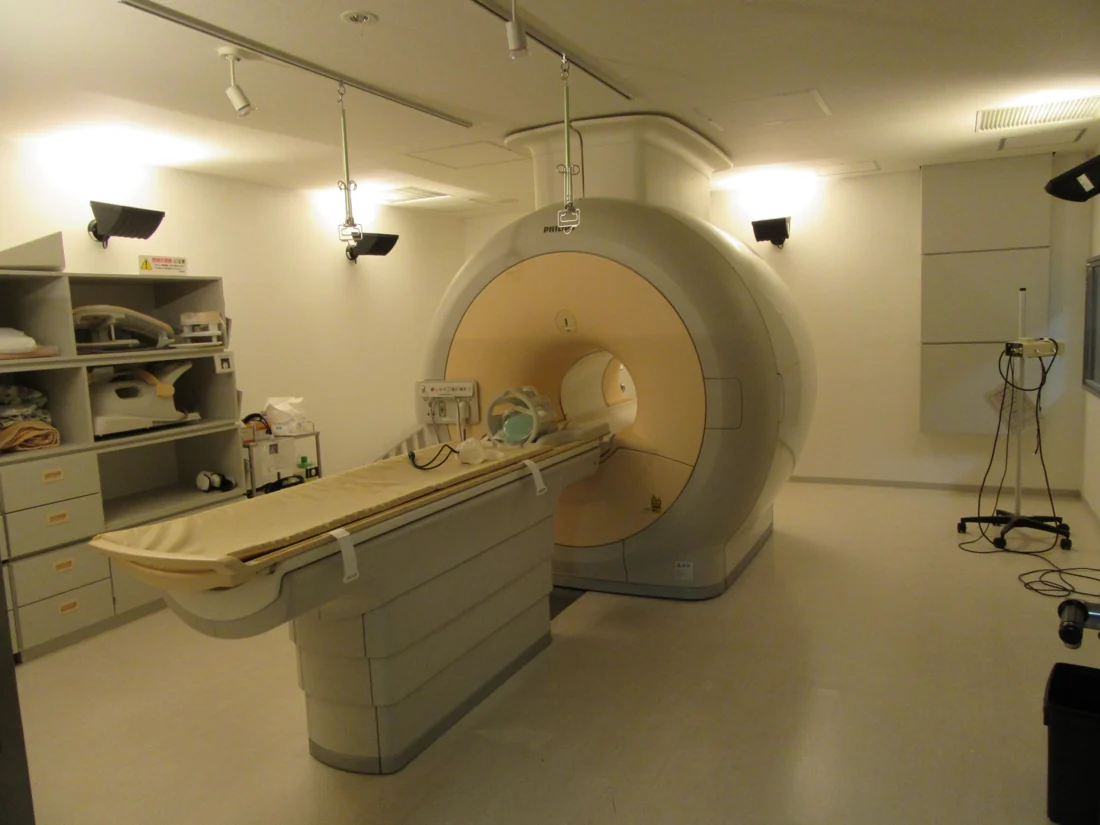
MRI stands for magnetic resonance imaging. It uses a strong magnet and radio waves to make detailed pictures. Cardiac means relating to the heart. A cardiac MRI shows the heart and nearby blood vessels. These can help the team plan treatment or future checks. It does not use X-rays. The team chooses it when it can provide information that other tests have not supplied.
02
What happens next
Stillness and safety
The scanner has a tunnel-shaped opening and makes loud sounds. Keeping still matters. Some children can have the scan awake. Others need a general anaesthetic, medicines that keep them unconscious during the scan. Tell staff about implanted devices, previous operations and any metal in the body, even if you think they already know. The imaging team checks whether devices are suitable for MRI.
Sometimes staff give contrast, a substance that makes parts of the scan clearer. They give it through a cannula, a small tube in a vein. The team will explain if your child needs this.
Making the plan manageable
Ask what the scanner looks and sounds like and whether a preparation visit or child-friendly explanation is available. Tell staff if small spaces frighten your child, or if noise or touch is difficult. Explain how your child prefers to communicate. Check what ear protection and entertainment the department can offer; facilities differ.
Follow the appointment’s instructions for food, drink and medicines, especially if anaesthesia is planned. Ask how recovery and going home will work, and who will compare the results with previous scans. A reassuring preparation conversation can be useful even for a teenager who has had scans before.
03
Questions to ask
Save the questions you want to take to your next appointment. You can edit them in your Journal.
- What do you need to find out from the MRI, and why is it the most useful test for our child?
- Could our child have the scan awake, and what support or alternatives are available if they find it difficult?
- Do any of our child’s implants or devices need a special safety check, and what details should we bring?
Sources and review
Sources checked 9 October 2026. Independent clinical review pending.
- Great Ormond Street Hospital: Cardiac MRI scan without general anaesthetic
Accessed 9 October 2026
- Alder Hey Children’s Hospital: Cardiac MRI and CT scan under general anaesthetic
Accessed 9 October 2026