
Cardiac catheterisation
Before, during and after
Follow your own hospital team’s instructions about medicines and eating or drinking; these can be different for each child.
- Before
- The team explains the procedure, anaesthetic and preparation.
- During
- A thin tube is guided through a blood vessel to the heart for tests or treatment.
- After
- Staff monitor recovery. Ask about the puncture site, activity and whom to contact.
A test, a treatment, or both
 (opens in a new tab)
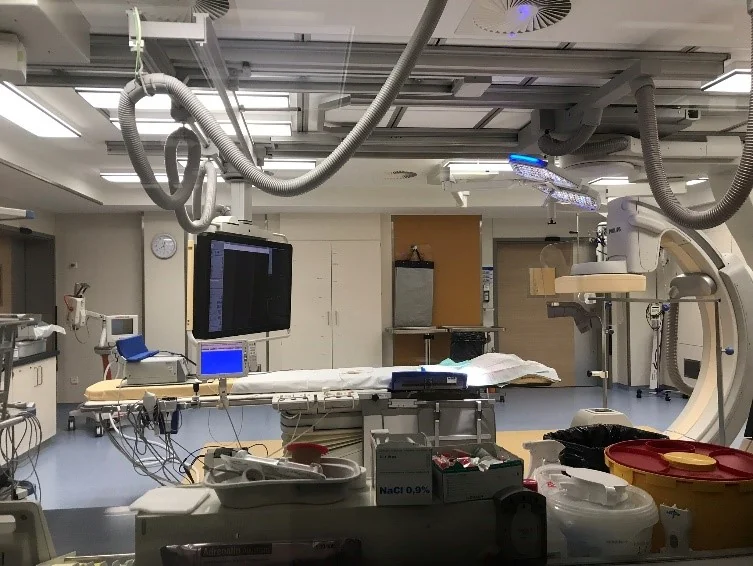
In cardiac catheterisationCatheterisationCardiac catheterisation uses thin tubes passed through blood vessels towards the heart. It can be used for tests or treatment.Read full entry in glossary , a specialist guides thin tubes through blood vessels to the heart. The tubes can measure blood pressure inside the heart and take samples. Staff may give contrastContrastContrast is a substance used in some tests to make certain parts of the scan clearer.Read full entry in glossary , a substance that makes blood flow easier to see on the pictures. A catheter procedure can also treat some problems.
It may use a balloon, a closure device or a stentStentA stent is a small support placed inside a blood vessel to help keep it open.Read full entry in glossary , a small support that holds a blood vessel open. Ask whether the plan is to gather information, give treatment or both. It is not the same as open-heart surgery.
What happens next
Preparation and recovery
Children often have a general anaesthetic, medicines that keep them unconscious for the procedure. The approach depends on the child and what is being done. The team should explain the intended benefit, alternatives and important risks, such as bleeding, blocked blood flow or reactions to contrast. Afterwards, staff monitor recovery and the place where the catheter entered.
Instructions about moving, looking after the wound and going home depend on what was done. CathetersCatheterA catheter is a thin tube. In heart care it can be passed through a blood vessel to test or treat the heart.Read full entry in glossary usually enter through a blood vessel at the top of the leg (groin), and your child may need to lie flat for a few hours afterwards.
Before leaving hospital, ask what warning signs to watch for—such as bleeding, swelling or a painful lump at the puncture site, or the leg or foot becoming pale, cold or painful—and who to contact urgently.
Understanding the consent conversation
Ask the specialist to describe the plan in ordinary words, including what might make them change course during the procedure. Bring your questions about anaesthesia separately from questions about the heart treatment. Tell staff about your child’s previous difficult experiences so preparation can be adapted.
Before going home, ask for clear advice on what to watch for, who to call and when normal activities can resume. Keep the procedure report or summary for future care and confirm whether any new medicine or follow-up appointment is needed.
Questions to ask
Save the questions you want to take to your next appointment. You can edit them in your Journal.
- What will you measure or treat during the procedure, and how will you explain the findings afterwards?
- What are the alternatives and main risks for our child, and why do you recommend this approach?
- What should we watch for after going home, and who should we contact if something concerns us?
Sources and review
Sources checked 16 November 2026. Independent clinical review pending.
- Great Ormond Street Hospital: Cardiac catheterisation (opens in a new tab)
Accessed 9 October 2026
- Great Ormond Street Hospital: Anaesthesia for cardiac catheterisation: young people (opens in a new tab)
Accessed 9 October 2026
Spot something unclear or out of date? Send feedback