
What heart surgery can involve
Before, during and after
Follow your own hospital team’s instructions about medicines and eating or drinking; these can be different for each child.
- Before
- The team checks the plan and answers your questions.
- During
- Your child is asleep under general anaesthetic and the team monitors them.
- After
- The team will explain where your child will recover and what monitoring they may need.
Different operations have different aims
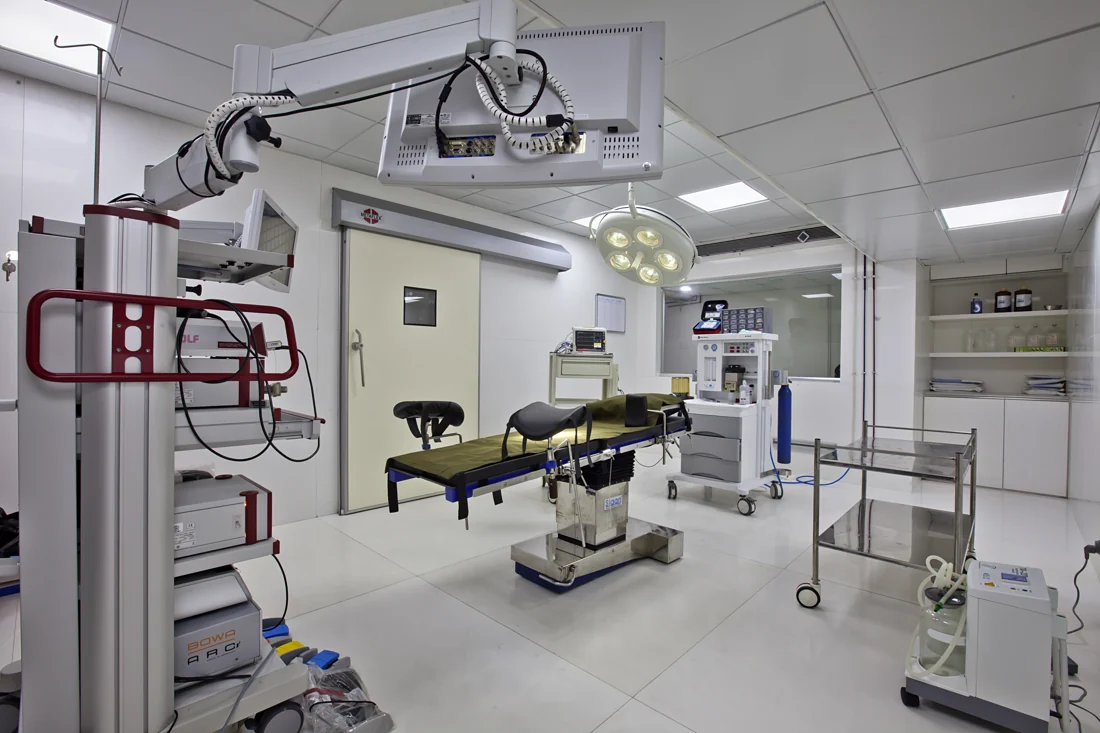 (opens in a new tab)
Heart surgery may close an opening, widen a narrow route, repair a valveValveA heart valve opens to let blood through and closes to stop it flowing backwards.Read full entry in glossary or change where blood flows. Some operations repair a heart difference. Others change the route of blood flow to work with the way the heart has developed. Children may need one operation or several stages. A successful operation may still need to be followed by regular checks or more treatment.
Ask what the proposed operation is intended to achieve for your child. Open-heart surgery may use a heart-lung machine so the surgeon can work inside the heart. Some operations work on vessels outside the heart without opening the heart chambers.
What happens next
After the operation
Recovery depends on the operation and your child’s needs. Some children need intensive care, with very close checks and specialist support. Others need high dependency care, which provides more support than a usual ward. Some need a shorter stay with less support. Staff choose pain relief, breathing support and checks to suit your child.
The team will review progress before reducing support or moving to another ward. Another family’s length of stay is not a timetable for your own child.
Getting clear updates
Ask what “repair” means for your child’s heart. In heart care, “palliationPalliationIn heart surgery, palliation can mean an operation or a series of operations to improve blood flow while some heart differences remain.Read full entry in glossary ” does not mean end-of-life care; it means an operation or staged plan that improves blood flow and eases symptoms while some heart differences remain. Ask what it is expected to improve for your child. Ask who will contact you when surgery is finished, and where you should wait.
After the first update, consider asking what was done, whether the plan changed and what the team is watching next. Later conversations can cover recovery, medicines and care in the future. Keep space for your child’s questions about scars, movement and getting back to ordinary life; the team can explain those steps as recovery progresses.
Questions to ask
Save the questions you want to take to your next appointment. You can edit them in your Journal.
- Is this operation a repair or one stage of a longer plan, and what are its main aims for our child?
- What support might our child need after surgery, and what would you look for as they recover?
- What checks and appointments will still be needed after surgery, even if our child is feeling well?
Sources and review
Sources checked 16 November 2026. Independent clinical review pending.
- NHS: Congenital heart disease (opens in a new tab)
Accessed 9 October 2026
- British Heart Foundation: Congenital heart disease (opens in a new tab)
Accessed 9 October 2026
- Great Ormond Street Hospital: Fast track cardiac surgery (opens in a new tab)
Accessed 9 October 2026
- Great Ormond Street Hospital: Clinics and wards used by the Cardiothoracic Unit (opens in a new tab)
Accessed 9 October 2026
Spot something unclear or out of date? Send feedback